Get Fallen Tree Removal
Fallen tree removal services help property owners safely clear storm-damaged or dead trees, handling large or hazardous tree removal projects efficiently.
Fallen trees can pose significant challenges for property owners, affecting safety, accessibility, and the overall appearance of a property. Whether a tree has recently fallen or is at risk of doing so, finding experienced service providers in the area can help manage the situation efficiently and safely. Exploring local contractors who specialize in tree removal ensures that property owners have access to practical solutions tailored to their specific needs.
By comparing options from trusted local service providers, property owners can assess the range of services available for fallen tree removal. This process supports informed decisions about the best approach to clearing debris, preventing future hazards, and maintaining the integrity of the landscape. Keep reading to learn more about how local contractors can assist with these important property management tasks.
- Fallen Tree Removal - needed after severe storms or wind events cause trees to topple onto property.
- Hazard Tree Removal - required when dead or diseased trees pose a risk to structures or safety.
- Storm Damage Cleanup - necessary following weather events that result in broken or fallen trees.
- Emergency Tree Removal - needed when a tree threatens to fall or has already fallen, creating safety concerns.
- Uprooted Tree Extraction - needed when trees are destabilized or have been uprooted due to soil erosion or storms.
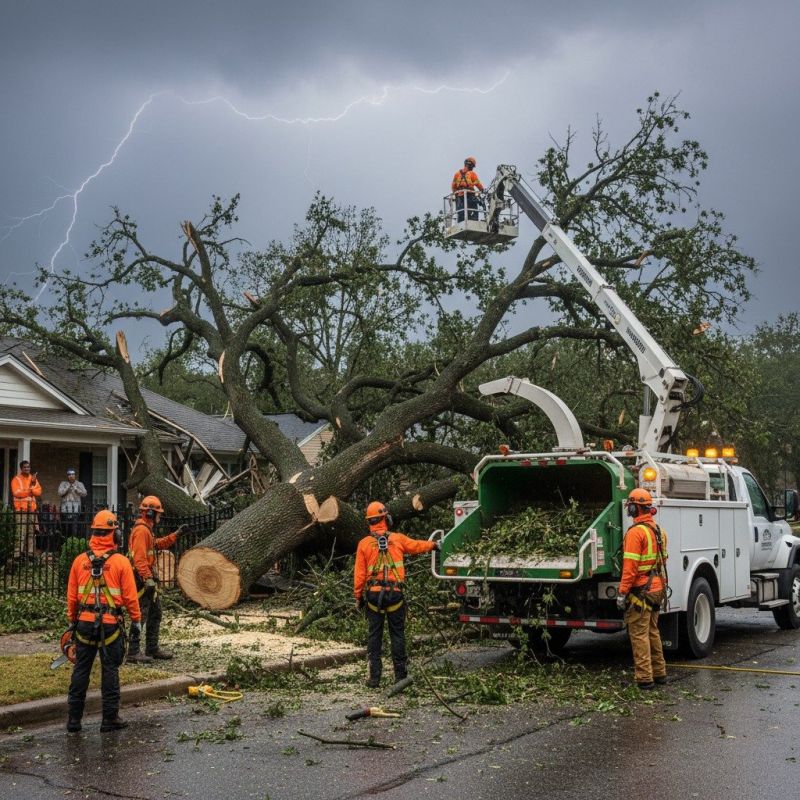
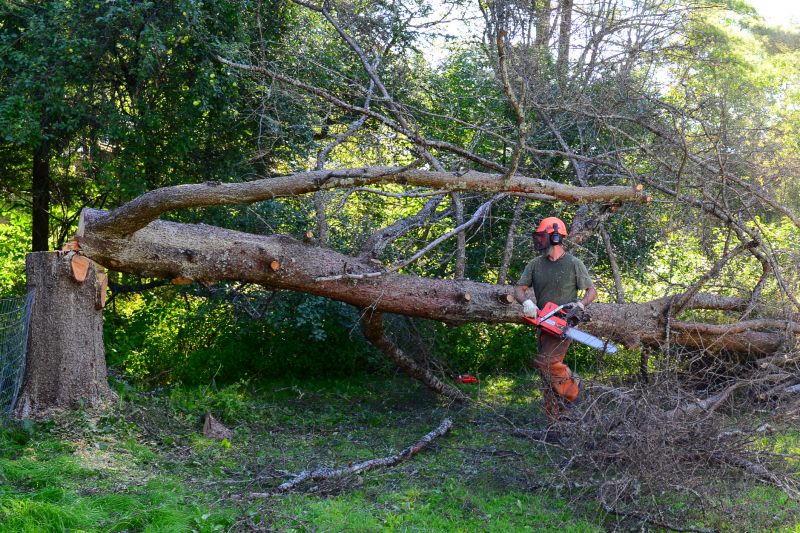
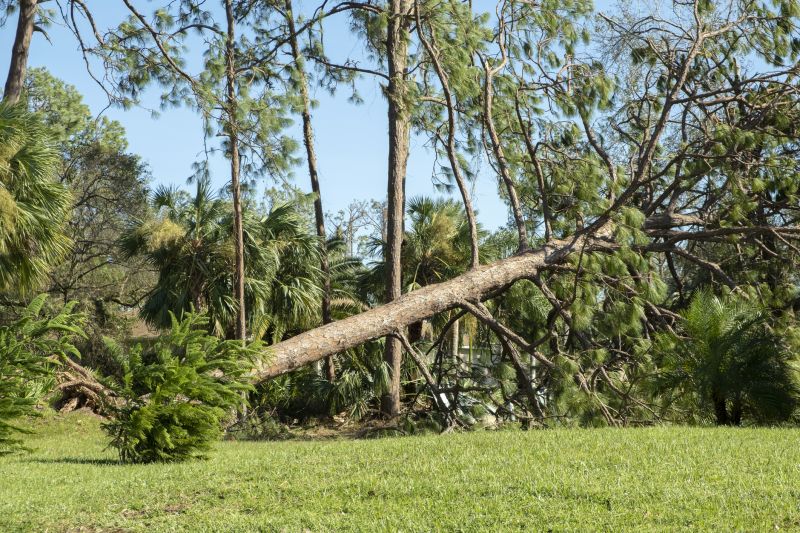
Fallen tree removal services involve the safe and efficient removal of trees that have fallen, partially fallen, or are at risk of falling on a property. This process typically includes assessing the situation, cutting the tree into manageable sections, and removing debris to ensure the area is clear and safe. Professional contractors use specialized tools and techniques to handle trees of various sizes and conditions, minimizing potential damage to surrounding structures or landscaping.
This service helps address a range of problems caused by fallen or unstable trees. It can prevent damage to homes, fences, or vehicles that might occur if a tree suddenly shifts or collapses further. Fallen trees can also obstruct driveways, pathways, or access routes, making it difficult or dangerous to move around the property. Additionally, removing hazardous trees reduces the risk of injury to residents or visitors, especially after storms or severe weather events.
Fallen tree removal is often needed on residential properties, including single-family homes, townhouses, and apartment complexes. It is also common on commercial properties, such as retail centers or office parks, where safety and accessibility are priorities. Properties with mature trees or those located in storm-prone areas are more likely to require this service to maintain safety and prevent property damage. Regardless of property size, professional removal helps restore safety and peace of mind.
Homeowners should consider fallen tree removal services when experiencing storm damage, signs of instability, or after a tree has already fallen. Prompt removal can prevent further damage or hazards and improve the overall safety of the outdoor environment. Local contractors experienced in this work can evaluate the situation, recommend appropriate solutions, and carry out the removal efficiently, ensuring the property remains safe and accessible.
The overview below groups typical Fallen Tree Removal projects into broad ranges so you can see how smaller, mid-sized, and larger jobs often compare in your area.
In many markets, a large share of routine jobs stays in the lower and middle ranges, while only a smaller percentage of projects moves into the highest bands when the work is more complex or site conditions are harder than average.
Smaller Tree Removals - for trees that are under 30 feet tall, local contractors typically charge between $250 and $600. Many routine jobs fall within this range, depending on accessibility and tree size.
Medium-Sized Tree Removal - trees measuring 30 to 60 feet often cost between $600 and $1,200. Larger, more complex projects can push costs higher, but most fall into the middle of this range.
Large or Hazardous Tree Removal - for trees over 60 feet or those in difficult locations, prices usually range from $1,200 to $3,500. Fewer projects reach the highest tiers, which may include additional safety or equipment needs.
Full Tree Replacement - when a tree must be fully removed and replaced, costs can range from $2,000 to $5,000 or more. These larger projects are less common and depend heavily on the size and planting requirements of the new tree.
Actual totals will depend on details like access to the work area, the scope of the project, and the materials selected, so use these as general starting points rather than exact figures.
Tree pruning and trimming - professionals use similar tools and planning to safely remove branches and shape trees, which is related to fallen tree removal.
Stump grinding and removal - this service involves removing leftover tree stumps after a tree has been felled, requiring similar equipment and expertise.
Land clearing and brush removal - contractors clear overgrown areas and remove debris, often involving techniques used in fallen tree removal projects.
Emergency storm damage cleanup - local service providers handle fallen branches and trees after storms, utilizing comparable skills and tools.
Tree health assessments and diagnostics - evaluating tree conditions can lead to removal decisions, requiring knowledge of tree structure and safety planning.
Landscape debris removal - clearing yard waste and fallen limbs involves similar planning and equipment as fallen tree removal services.
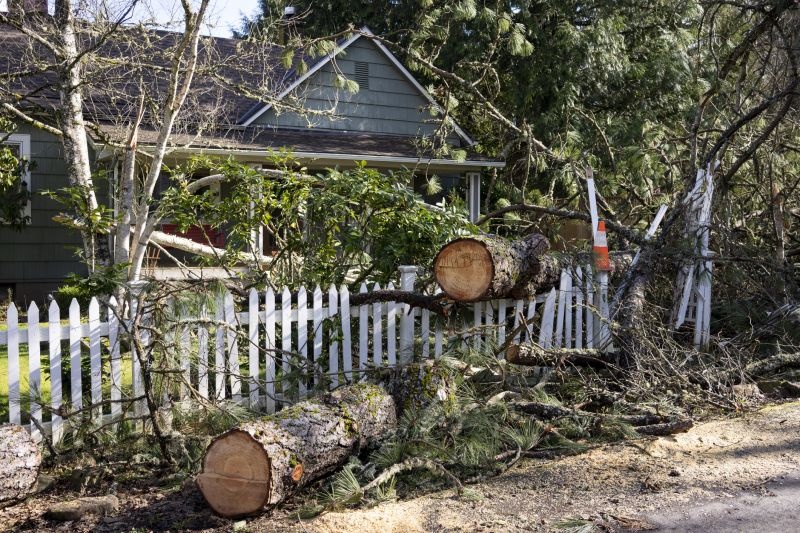
When evaluating local contractors for fallen tree removal, it’s important to consider their experience with similar projects. Homeowners should look for service providers who have a proven track record of handling tree removal jobs comparable in size and complexity to their own. An experienced professional will be familiar with the best techniques and safety practices, reducing the likelihood of issues during the work. Asking for examples of past projects or references related to tree removal can provide insight into their familiarity with the specific challenges involved in safely and effectively removing fallen or hazardous trees.
Clear written expectations are vital to ensuring a smooth process. Homeowners should seek service providers who can offer detailed descriptions of the scope of work, including what is included and what might be additional. This helps establish mutual understanding and prevents misunderstandings about the services provided. Reputable local contractors often provide written estimates or proposals that outline the work, helping homeowners compare options effectively. Having well-defined expectations also supports transparency and accountability throughout the project.
Good communication and reputable references are key indicators of a dependable service provider. Homeowners should look for local pros who are responsive and willing to answer questions clearly, demonstrating professionalism and attentiveness. Additionally, seeking references or reviews from previous clients can help gauge the quality of work and reliability of the contractor. While the site introduces homeowners to local options, it’s important to remember that the actual work is performed by these experienced service providers. Comparing these aspects can help ensure that the chosen contractor is well-equipped to handle the job safely and efficiently.
Property owners use Fallen Tree Removal services for practical projects around their homes and businesses. This guide focuses on everyday jobs and straightforward project options.
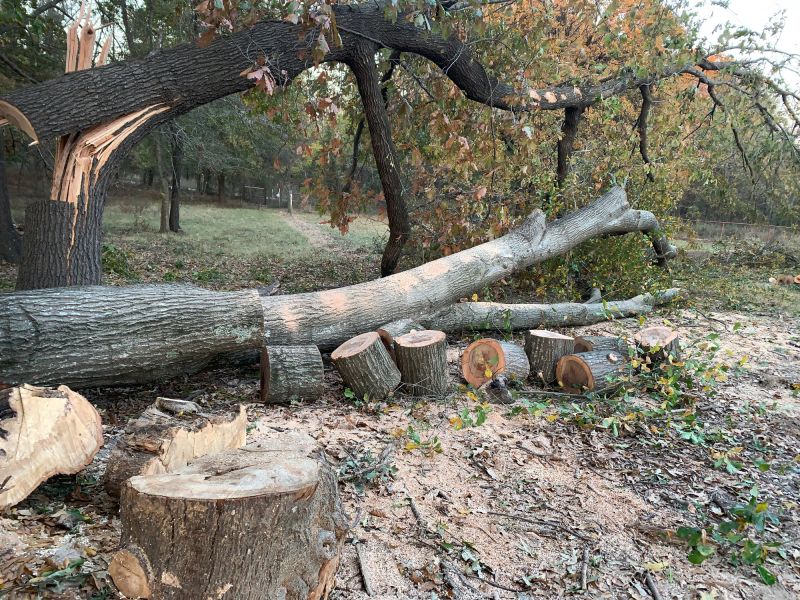
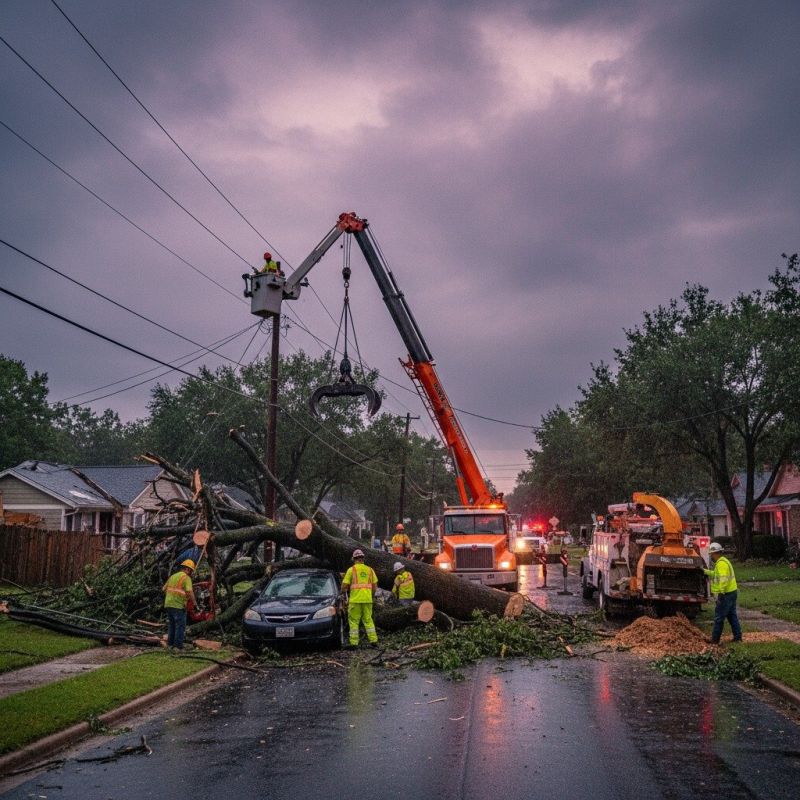
Fallen trees and large branches are common issues that property owners might face after storms or heavy winds. These situations can pose safety hazards, block driveways, or cause damage to structures and landscaping. Local contractors specializing in fallen tree removal are equipped to quickly and efficiently clear debris, helping homeowners restore safety and accessibility to their properties.
In addition to storm-related incidents, property owners may seek fallen tree removal services when trees become diseased, overgrown, or unstable. Removing problematic trees can prevent future damage during severe weather or simply improve the overall appearance and health of a landscape. Local service providers can assess the situation and handle the removal process with appropriate tools and expertise.
What is involved in fallen tree removal? Fallen tree removal typically includes cutting the tree into manageable sections and safely transporting the debris away from the property, handled by local contractors equipped for the job.
When should I consider professional fallen tree removal? It’s advisable to contact local service providers when a tree has fallen across your property, creating safety hazards or obstructing access.
Are there different methods for removing a fallen tree? Yes, local contractors may use various techniques such as crane removal or manual cutting, depending on the size and location of the fallen tree.
Can fallen tree removal help with property cleanup? Yes, professional services often include debris removal and site cleanup to restore the area after a tree has fallen.
How do I find local contractors for fallen tree removal? You can compare and connect with nearby service providers through a lead generation platform that matches your needs with qualified local experts.
Property Clearing - Removing fallen trees can help clear walkways and driveways, making outdoor spaces safer and more accessible.
Landscape Restoration - Fallen trees can be removed to prepare a yard for new planting or landscaping projects.
Storm Damage Cleanup - After severe weather, local contractors can quickly clear debris and fallen trees from the property.
Tree Maintenance - Regular tree assessments and removals of weak or hazardous branches can prevent future falls and property damage.
If you are thinking about Fallen Tree Removal for a property, this guide is meant to help you understand the work, the typical project types, and how different options might fit your plans.
When you are ready, you can use the quote form on this page to share a few details about your project. From there, local pros can review the basics and respond with options that match what you have in mind.